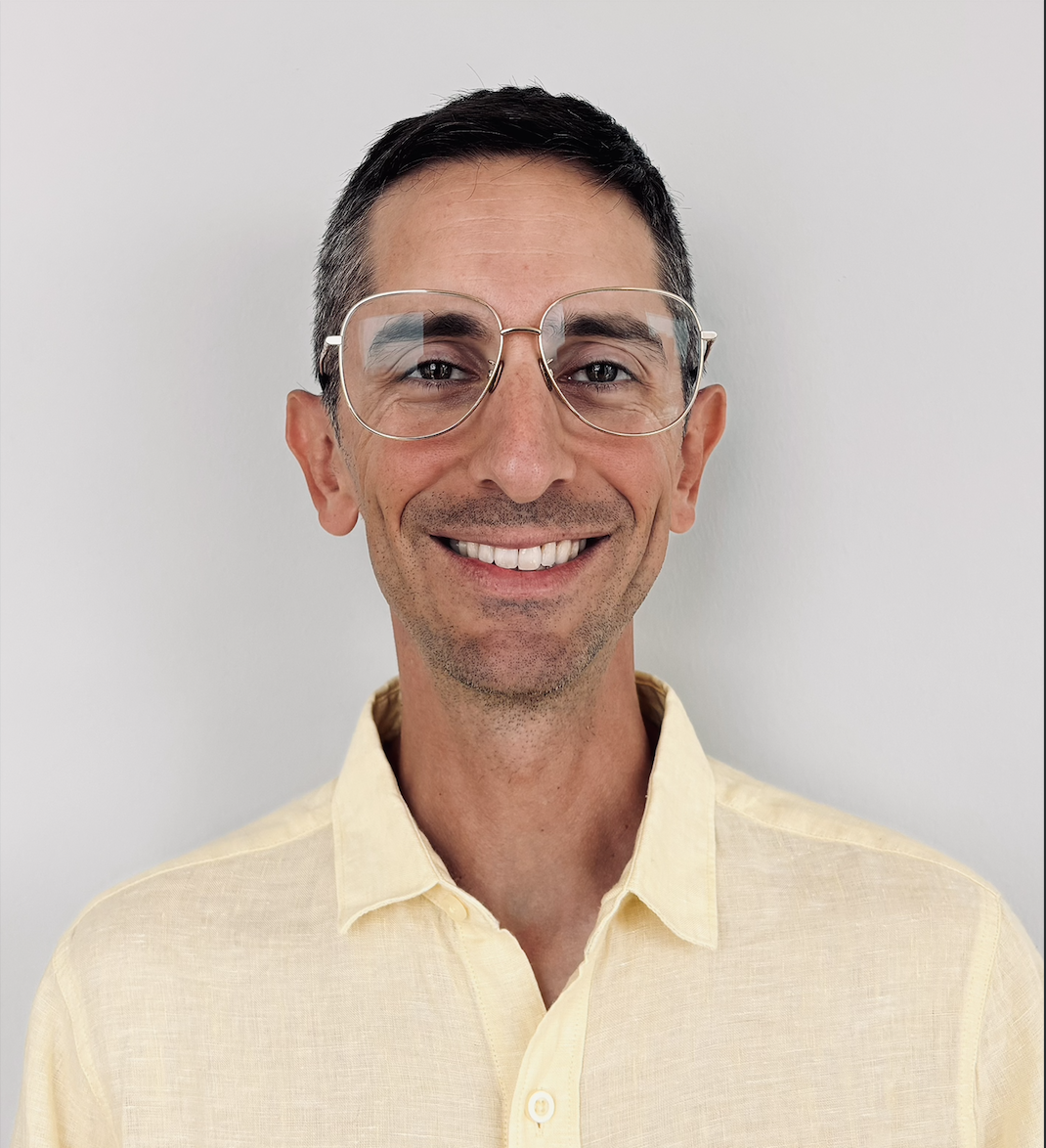
I’m here to support your growth.
Hello! I’m Travis. I’m an ICF-credentialed coach and an AET-credentialed educational therapist who meets online with adult clients and clients at the high school and college levels.
With a passion for working with people who do not feel connected to the mainstream, I commit my coaching to helping clients—many of whom are neurodivergent or queer—find purpose in education, work, and self-expression.
Through educational therapy, I support clients with reading, writing, study skills, and focus.
What is coaching?
While therapists and physicians both treat people, coaches are more like athletic trainers. As athletic trainers help people boost performance, coaches also help people achieve their aims.
Coaching is a collaborative, future-focused partnership between coach and client, designed to clarify goals, foster awareness, explore perspectives, and create meaningful plans for action.
Unlike therapy, which often works to repair trauma from the past, coaching looks ahead — helping clients connect with their values, alter confining beliefs, and take intentional steps toward the life they want to create.
Through guided conversations, active listening, and accountability, I empower clients to consider new possibilities, access resources, build confidence, and navigate challenges. These challenges could include difficulties with focus, organization, planning, time management, and more.
Please note: Coaching is not psychotherapy or tutoring. As a coach, I do not instruct, mentor, or give advice. Instead, I partner with you to uncover your own paths forward and to support purposeful, sustainable change.
-
Are you struggling to tackle a big project or daily responsibilities? When accomplishing a task seems overwhelming, my coaching aspires to support clients with
planning
prioritizing
organizing
getting started
tracking progress
keeping focus and motivation
-
Do you feel lost or without direction in your career? My coaching strives to help clients
define career goals
plan career moves
overcome workplace challenges
-
Are you facing some big life decisions? I can coach clients toward finding purpose in life. This could mean, among other things,
navigating how to connect with a community
making a geographic move
exploring identity
changing how clients share their identities
-
Are you having trouble keeping up with a class? I hope to coach clients to improved academic performance through support with time management and maintaining goals. I help clients plan work, including the steps and resources for completion and when and where it needs to happen.
What is educational therapy?
Educational Therapy is individualized instruction that takes into account one's learning profile, including strengths and areas of growth. My educational therapy involves administering an informal assessment to learn about clients.
Whereas tutoring can often focus on only reteaching information, educational therapy involves uncovering clients' underlying learning challenges and teaching them strategies to overcome those challenges. I approach each session with a lesson plan tailored to my clients.
Please note: As an educational therapist, I do not diagnose, administer psychological tests, practice psychotherapy, or prescribe medication.
Areas of Educational Therapy
My educational therapy can cover one or more of these areas.
-
Does reading that book and writing that essay seem overwhelming?
I read clients' texts (books, articles, essays, etc.) outside of session time to support them during sessions with guided annotation, comprehension questions, and writing tasks. During our session, I provide instruction and feedback through the various stages of writing, including brainstorming, outlining, drafting, revising, and editing. My writing instruction targets the development of essential writing traits (ideas, organization, voice, word choice, sentence fluency, conventions, and presentations). I also practice these skills with clients outside the context of a graded class with texts and writing prompts of their choosing.
-
Does studying for the test seem unmanageable?
The best way to study is to test oneself. I teach effective study strategies, practice these strategies with clients during sessions, and help clients plan a study calendar for themselves.
-
Is it really hard to focus on your homework and studying?
I serve as a body double for clients who want to initiate work during our sessions. Through body doubling, I provide accountability check-ins at structured intervals during work periods, ultimately leading to strategies and practices that work best for clients during independent work time.